DeFi Token Performance Post-October Crash: what's really happening and who's left holding the bag
114|0 comments
Okay, lemme get this straight. So, after the October crypto crash – *another* one, seriously, how many times are we gonna do this dance? – the big brains are telling us certain DeFi tokens are now "safe havens"? Give me a break.
"Safer" DeFi? More Like "Least-Toxic" Garbage.
The Illusion of Safety FalconX is out there saying investors are flocking to "safer names" with buybacks or "fundamental catalysts." Right. So, HYPE and CAKE are down 16% and 12% respectively, but because they're *less* down than the rest of the garbage fire, they're suddenly beacons of stability? That's like saying the least damaged lifeboat is a luxury yacht. And these "fundamental catalysts"? MORPHO and SYRUP outperformed because they weren't as screwed by the Stream Finance collapse. Congrats, guys. You sucked less. Does that really inspire confidence, or just a desperate scramble for anything that isn't actively sinking? The whole idea of "safer" DeFi tokens is a joke. It's like rearranging deck chairs on the Titanic. Sure, maybe you get a slightly better view as the iceberg rips through the hull, but you're still going down. I mean, let's be real, the entire DeFi sector is built on a foundation of hype, speculation, and code that's held together with duct tape and prayers. Expecting any of these tokens to be a "safe haven" is just delusional.html DeFi "Analysis": Reading Tea Leaves in a Dumpster Fire
The Shifting Sands of Value Then there's the whole "shifting valuation landscape" they're trying to sell us. Apparently, some DEXes are getting cheaper, while lending platforms are getting more expensive. So what? It just means investors are panicking and jumping from one sinking ship to another. Spot and perpetual DEXes are seeing price-to-sales multiples decline. Translation: their prices crashed faster than their actual business activity. Some DEXes, like CRV, RUNE, and CAKE, actually saw *more* fees. Okay, so people are still gambling; that's not exactly a sign of a healthy, sustainable market, is it? And lending names? KMNO's market cap fell 13%, but fees declined 34%. That's not a good sign, people. That's a sign that the whole lending sector is a house of cards waiting to collapse. The report suggests investors are "crowding" into lending names because they're seen as "stickier." Stickier like flypaper, maybe. Honestly, this whole analysis feels like trying to find patterns in tea leaves after someone's spilled the whole damn cup. Are we really supposed to believe that some complex algorithm can predict which DeFi token will survive the next market crash? Or is it just a bunch of financial analysts patting themselves on the back for noticing that some turds float better than others? What even *is* a decentralized exchange anyway? I mean sure, the *idea* is cool and all, but haven't most of these things been hacked or exploited at least once? I'm not saying the concept is bad, but maybe the execution needs a little... a lot... of work. Offcourse, maybe I'm being too harsh. Maybe there really are some hidden gems in the DeFi world, some projects that are actually building something of value. But let's be real, most of this stuff is just gambling disguised as innovation.DeFi "Safe Havens"? More Like a House of Cards
The Future of Finance? Or Just a Future Disaster? The FalconX report suggests that this positioning "may reflect where investors think the DeFi sector will see growth in 2026." Oh, please. It reflects where investors *hope* to see growth, while desperately trying to avoid getting completely wiped out. It's the crypto equivalent of wishful thinking. They point to AAVE's "upcoming high-yield savings account" and MORPHO's "expansion of its Coinbase integration" as examples of fintech integrations driving growth. Sounds great on paper, but let's see if it actually translates into real-world adoption and sustainable revenue. And what about the bigger picture? What about regulation? What about the constant threat of hacks and exploits? What about the fact that most people still don't understand what DeFi even *is*? I'm not saying DeFi is doomed. But I am saying that calling any of these tokens "safe havens" is a dangerous and irresponsible overstatement. It's like telling people to invest in subprime mortgages in 2007. Sure, maybe you'll make a quick buck, but you're probably gonna end up holding the bag when the whole thing collapses. So, What's the Real Story Here? It's all smoke and mirrors, people. These "safe haven" tokens are nothing more than a temporary distraction from the fact that the entire DeFi sector is still a highly speculative and incredibly risky investment. Don't let anyone tell you otherwise.
-
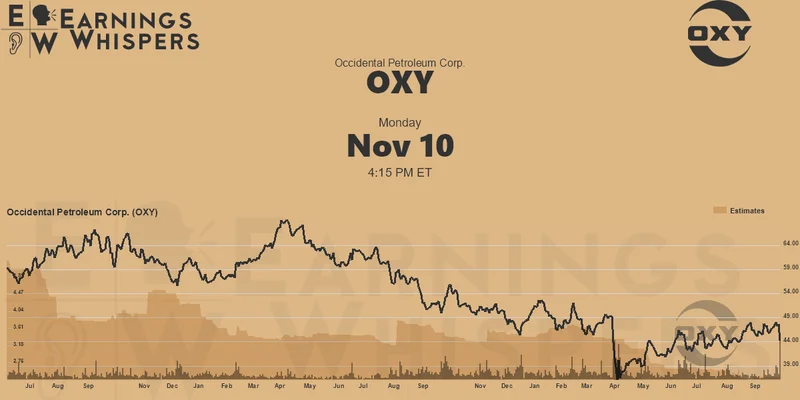
Warren Buffett's OXY Stock Play: The Latest Drama, Buffett's Angle, and Why You Shouldn't Believe the Hype
Solet'sgetthisstraight.Occide...
-

The Great Up-Leveling: What's Happening Now and How We Step Up
Haveyoueverfeltlikeyou'redri...
-
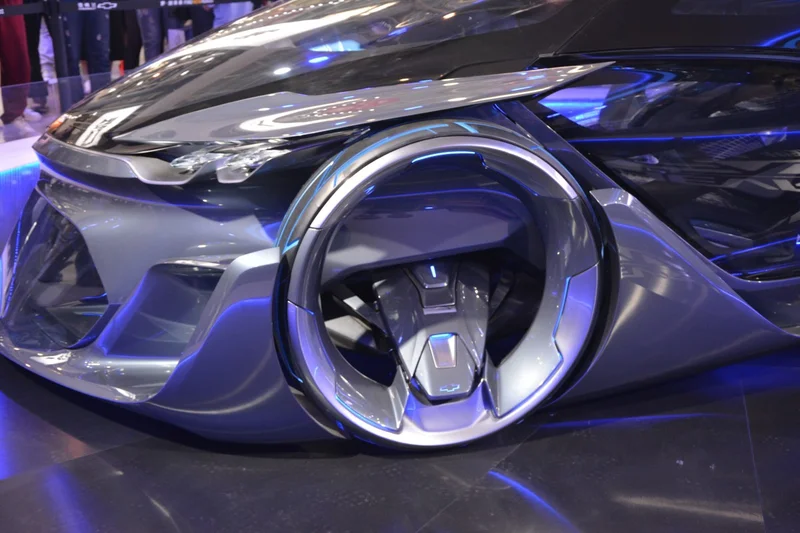
The Future of Auto Parts: How to Find Any Part Instantly and What Comes Next
Walkintoany`autoparts`store—a...
-

Applied Digital (APLD) Stock: Analyzing the Surge, Analyst Targets, and Its Real Valuation
AppliedDigital'sParabolicRise:...
-
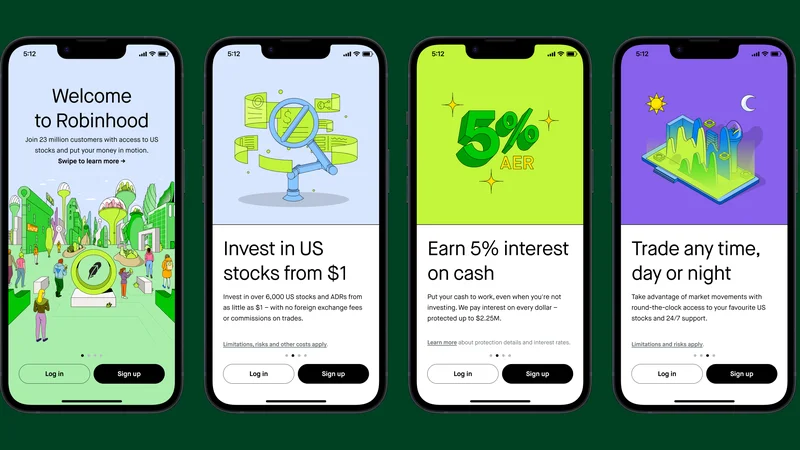
Analyzing Robinhood: What the New Gold Card Means for its 2025 Stock Price
Robinhood's$123BillionBet:IsT...
- Search
- Recently Published
-
- Why Crypto Market Volatility is a Hidden Gift (r/Crypto)
- DeFi Post-Crash: Why Investor Trends Don't Add Up (Rektrospective Realness)
- Why Crypto's Recovery is a Lie. (- Hot Takes)
- Crypto's Future: Why Today's Challenges Spark Genius. (- Thread)
- Bitcoin's Volatility: Our Future Premium, Beyond VIX - Buckle Up, Buttercups!
- Tariffs Broke It. AI's Supposedly Fixing It. - Tech to the Rescue
- Crypto ETFs Tanked 80%: Retail Traders, You Got Played. - Ouch, Reddit!
- DeFi Token Performance Post-October Crash: what's really happening and who's left holding the bag
- Decentralized Finance: What it is, and why the 'decentralized' part is a joke.
- DeFi Token Performance & Investor Trends Post-October Crash: what they won't tell you about investors and the bleak 2025 ahead
- Tag list
-
- Blockchain (11)
- Decentralization (5)
- Smart Contracts (4)
- Cryptocurrency (26)
- DeFi (5)
- Bitcoin (31)
- Trump (5)
- Ethereum (8)
- Pudgy Penguins (6)
- NFT (5)
- Solana (5)
- cryptocurrency (6)
- bitcoin (7)
- Plasma (5)
- Zcash (12)
- Aster (10)
- nbis stock (5)
- iren stock (5)
- crypto (7)
- ZKsync (5)
- irs stimulus checks 2025 (6)
- pi (6)
- hims stock (4)
- kimberly clark (5)
- uae (5)